






Bow Church skip free alternatives for local rubbish
Posted on 10/08/2026
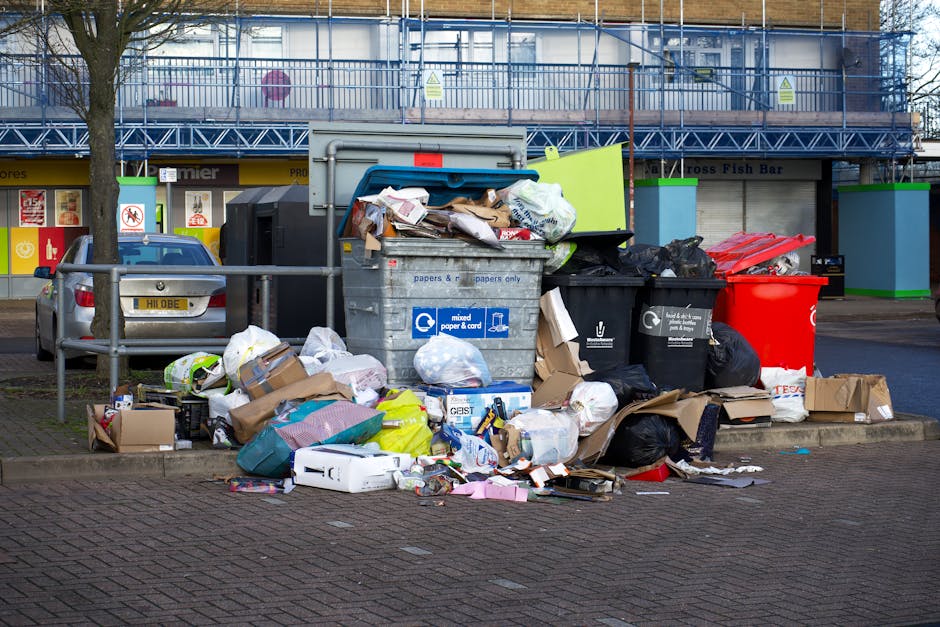
If you live or work near Bow Church, you probably know the feeling: a room clears out, a renovation finishes, or the garden suddenly becomes a small mountain of cuttings and broken bits. Then comes the question of what to do with it all. Bow Church skip free alternatives for local rubbish are often the smarter answer when a full skip feels too bulky, too slow, or just awkward for a tight London street.
In Bow, space is precious. Parking is tight, access can be fiddly, and a skip on the road is not always the easiest option. That is why many people look for faster, more flexible ways to clear waste without turning the pavement into a building site. This guide walks through the best skip-free choices, how they work, who they suit, and the real-life mistakes to avoid. You will also find practical tips, a comparison table, and a simple checklist you can use before the rubbish piles up any further.
- Why skip-free alternatives matter in Bow Church
- How the process works
- Key benefits and practical advantages
- Who this is for
- Step-by-step guidance
- Expert tips for better results
- Common mistakes to avoid
- Tools, resources and recommendations
- Law, compliance and best practice
- Options and comparison table
- Case study or real-world example
- Practical checklist
- Conclusion
- Frequently asked questions
Why Bow Church skip free alternatives for local rubbish Matters
For many people, the first instinct is to hire a skip and be done with it. Fair enough. But Bow Church is not the sort of place where that always makes sense. Narrow streets, shared access, time pressure, neighbours who are not thrilled about obstruction - these things matter. A skip can be useful, but it is not always the best fit for local rubbish removal.
Skip-free alternatives give you more control. You can clear waste in one visit, avoid leaving a container outside for days, and keep disruption to a minimum. That matters whether you are in a flat near Bow Church, managing a small office, or dealing with a back room that has quietly become a dumping ground for old furniture and packaging. Let's face it, rubbish has a way of multiplying when nobody is looking.
It also matters for timing. If you are working around a move, a tenant handover, a property sale, or a renovation deadline, the ability to clear waste quickly can reduce stress in a very real way. For readers who are also juggling local property tasks, the guides on property sales in Bow and living in Bow offer useful context about the pace and practicalities of the area.
There is another reason this topic matters: not all rubbish is equal. Mixed household waste, garden cuttings, bulky items, builder's debris, office clear-outs, and storage clutter each need a slightly different approach. The right skip-free method can be cleaner, more efficient, and more suitable for the job.
How Bow Church skip free alternatives for local rubbish Works
Skip-free rubbish removal usually means arranging a collection service rather than placing a container outside. The team comes to your property, loads the waste, and takes it away in a vehicle sized for the job. For many local jobs, that is all you need. Simple on paper, though the real value is in the planning.
Here is the basic process in plain English:
- You identify what needs to go.
- You separate anything reusable, hazardous, or sensitive.
- You request a quote based on volume, type of waste, access, and labour involved.
- A collection time is arranged that suits your schedule.
- The waste is loaded, removed, and sent for suitable sorting or disposal.
That approach can work for a single sofa, a dozen bin bags, a bathroom rip-out, or a bigger clear-out from a house or office. The key difference from a skip is flexibility. You are not locked into one size and you do not need to leave waste sitting outside while it slowly becomes everyone else's problem too.
If you want an overview of the types of support available locally, the services overview page is a useful starting point, and the rubbish removal service in Bow is especially relevant when you need general household or mixed waste gone without fuss.
Key Benefits and Practical Advantages
Skip-free alternatives are not just about convenience. They solve a very specific local problem: getting rubbish out of the way without creating more disruption than the waste itself.
1. Better for tight access
In streets where a skip would block parking or attract complaints, a collection team can often work more neatly and quickly.
2. Less visual clutter
A pile of waste is not pleasant to look at, especially if you are dealing with visitors, tenants, or buyers. Faster removal keeps the property looking cared for.
3. More efficient for mixed waste
Many local jobs include a mix of materials: cardboard, small furniture, broken bits, old appliances, and bagged rubbish. A collection service can handle these together, provided the items are accepted and sorted correctly.
4. Helpful for time-sensitive jobs
Move-out day, an end-of-tenancy clean, post-renovation debris, or pre-sale preparation often needs a quick turnaround. A skip sitting outside for a week is not always ideal.
5. Less heavy lifting for you
Honestly, this is a big one. If you have ever tried to drag a wardrobe down stairs on your own, you already know why professional loading is attractive.
6. Often easier to plan
You can clear a one-off load without guessing how many cubic yards of waste you have. That is especially helpful if the rubbish has been piled in awkward corners over time.
For more on responsible handling, it is worth reading about recycling and sustainability, because the best rubbish services do more than just move items from one place to another.
Who This Is For and When It Makes Sense
Skip-free alternatives suit a lot of people in and around Bow Church, but they are especially useful in a few common scenarios.
- Flat owners and renters who do not have space for a skip outside.
- Landlords and letting agents clearing leftover items between tenancies.
- Homeowners dealing with clutter after a loft sort-out, kitchen refresh, or redecorating job.
- Small businesses that need office waste removed without disrupting the working day.
- Tradespeople and DIYers with builders' waste from lighter projects.
- People preparing a property for sale or trying to improve presentation before viewings.
It makes sense when the rubbish is too much for normal bins but not necessarily enough to justify a skip. It also makes sense when access is the problem rather than the amount. In Bow, that distinction is huge.
For example, a couple clearing a two-bed flat near the station may have little in the way of storage, several bags of decluttered items, and a dining table that no longer fits the space. A skip would be overkill. A collection service is often the neater answer.
And if you are thinking about wider property work in the area, the article on smart real estate investments in Bow gives a helpful sense of how presentation and practicality go hand in hand.
Step-by-Step Guidance
If you want to keep this straightforward, follow these steps. There is nothing fancy here, just the sort of process that saves a headache later.
1. Walk the property and list what needs removing
Start room by room. Kitchen. Bedroom. Shed. Office cupboard. Garden. Write down what is going and what is staying. It sounds basic, but it stops accidental disposal and helps you avoid booking too much or too little capacity.
2. Separate items that need special handling
Some items need careful treatment: paint, chemicals, sharp objects, gas bottles, electrical items, and anything potentially hazardous. If you are not sure whether something is suitable for a standard collection, ask before the job is booked.
3. Take photos for an accurate quote
Photos help with volume estimates, access issues, and labour planning. A narrow stairwell or a basement flat can make a simple job more involved. The clearer the photos, the fewer surprises. That's the dream, really.
4. Ask how waste will be sorted
A trustworthy provider should be clear about sorting and disposal. Mixed rubbish may be separated for recycling where practical, while unsuitable items may be treated differently. A quick conversation now can save confusion later.
5. Choose a collection window that suits the property
Think about neighbours, building rules, parking restrictions, and access times. Early morning can work for some jobs, while quieter mid-day slots may be better for others. The best option depends on the site, not just your diary.
6. Clear a path before the team arrives
Move smaller items away from doorways and hallways if you can do so safely. Even five minutes of prep can make loading much quicker. And yes, that includes the mysterious box in the corner that nobody admits ownership of.
7. Review what remains after the collection
Do a final check room by room. It is easy to miss items tucked under desks or behind doors. A quick look can prevent a second collection and an unnecessary sigh later in the week.
Expert Tips for Better Results
Here are the practical pointers that make a real difference. Not glamorous, but useful. Very useful.
- Group similar items together. Bagged waste, furniture, and loose bits are easier to assess when they are not scattered across the room.
- Keep access routes clear. Hallways, stairwells, and doorways should be free of tripping hazards.
- Be honest about volume. Underestimating leads to awkward delays; overestimating can mean paying for more capacity than you need.
- Ask about labour time. If items are on upper floors or in tight spaces, loading may take longer than a kerbside drop.
- Plan around neighbours and residents. Shared entrances, busy school runs, and peak traffic can all affect timing.
- Keep valuables and personal documents separate. Sounds obvious, but once clutter builds up, important papers can disappear into the chaos surprisingly fast.
In our experience, the people who get the smoothest result are the ones who spend ten minutes preparing before collection. It is a small effort, but it pays for itself in reduced stress and a cleaner finish.
For jobs that involve heavier or messier debris, builders waste disposal in Bow is often the more suitable route, while lighter green waste may be better matched to garden waste removal in Bow.

Common Mistakes to Avoid
Most problems with rubbish clearance are avoidable. Usually it is not the waste itself that causes trouble, but the planning around it.
Leaving sorting too late
If everything is mixed together at the last minute, you risk throwing away things you wanted to keep and making the collection harder to assess.
Ignoring access issues
A collection booked for a "simple load" can become complicated very quickly if there is no lift, no parking, or a very awkward staircase.
Assuming every item is acceptable
Not all waste can be handled in the same way. Hazardous or restricted items often need separate arrangements.
Booking on the wrong day
If your building has quiet hours or access limitations, a badly timed collection can create tension with neighbours or management. Nobody wants that little drama.
Under-preparing the property
Blocked hallways, loose items, and half-packed rubbish bags all slow the job down.
Choosing purely on price
Cheap is tempting. Of course it is. But if the service does not explain what is included, what happens to the waste, or how access is handled, the bargain may not be a bargain for long.
When in doubt, ask direct questions and compare like for like. That simple habit avoids a surprising number of problems.
Tools, Resources and Recommendations
You do not need fancy equipment to organise a decent rubbish removal. A few simple tools make the job smoother.
- Heavy-duty bags for loose household waste.
- Labels or marker pens to mark what stays and what goes.
- Gloves for sorting sharp or dusty items.
- Tape measure if you want to estimate the size of furniture or waste piles.
- Phone camera for quick photos before you request a quote.
- Basic cleaning supplies for the final sweep once items are removed.
For readers comparing broader support options, waste clearance in Bow can be useful when the job is not neatly one category. If the property itself needs a fuller clear-out, house clearance in Bow may be the better fit. For workplace clear-outs, see office clearance in Bow.
And if you are trying to understand the provider rather than just the service, the pages on about us, insurance and safety, and pricing and quotes are sensible places to start. Those details matter more than people sometimes think.
Law, Compliance, Standards, or Best Practice
Rubbish removal in the UK sits within a practical framework of duty of care, safe handling, and responsible disposal. You do not need to memorise legislation to make a sensible choice, but you should expect a provider to behave carefully and transparently.
In plain terms, that means waste should not simply disappear into a mystery van. It should be collected by a provider that understands classification, transport, sorting, and lawful disposal routes. Different waste streams may need different handling. Mixed rubbish, electrical items, garden waste, and construction debris are not all the same thing, even if they end up in the same front room for a while.
Best practice also means being careful with access, protecting floors where needed, and avoiding unsafe lifting. If a job feels risky or contains potentially hazardous items, it should be treated that way. Common sense does a lot of work here, to be fair.
It is also good practice to read the provider's terms and policies before booking. A few minutes with the terms and conditions and privacy policy can clarify what information is collected and how the job is managed. If payments are involved, a quick look at payment and security never hurts either.
If you are interested in the company's broader approach to ethical and environmental responsibility, the pages on recycling and sustainability and modern slavery statement offer useful reassurance about standards and values.
Options, Methods, or Comparison Table
Not every rubbish problem needs the same fix. Here is a simple comparison to help you decide what suits your situation.
| Option | Best for | Pros | Watch-outs |
|---|---|---|---|
| Skip hire | Large volumes, longer projects, steady waste output | Handy if you are generating waste over several days | Takes space, may need permits or road consideration, can be awkward in busy streets |
| Skip-free rubbish collection | One-off clear-outs, awkward access, mixed local rubbish | Fast, flexible, less disruption, often easier in Bow Church | Needs clear communication about volume and access |
| Specialist waste disposal | Builders' waste, garden waste, or larger property clearances | Better matched to the type of waste | May be overkill for a small domestic job |
The short version? If your job is local, time-sensitive, and access is tight, skip-free is often the cleaner and calmer choice. If you have a major renovation with waste piling up for days, a different approach may suit better.
There is no prize for choosing the most dramatic option. Use the one that fits the job.
Case Study or Real-World Example
Here is a realistic example based on a type of job that comes up often. A resident in Bow Church is moving out of a flat and needs to clear old shelving, a worn sofa, several bags of mixed household waste, and some leftover packaging from a new mattress. The hallway is narrow, the street parking is limited, and the building has shared access.
A skip would have caused more disruption than necessary. It would also have taken up valuable space outside the building, which nobody really wanted. Instead, the resident grouped the items by room, took a few photos, and booked a skip-free collection for a late-morning slot when access was easiest.
The job went more smoothly because the clutter was already sorted. The team could get straight to loading rather than spending time untangling what was rubbish and what was not. The resident finished with a clear flat, less stress, and no bulky container sitting outside for days. Nice and tidy. Exactly the point.
This kind of job is common around busy parts of Bow because the practical constraints matter as much as the waste itself. If you live near transport links or busy local roads, the extra flexibility is a real advantage. For more location-specific reading, you may also find rubbish removal near Bow Road Station E3 and the Devons Road clearance guide helpful.
Practical Checklist
Use this before you book anything. It keeps things simple.
- Have I identified all the rubbish that needs removing?
- Have I separated items I want to keep?
- Are there any hazardous, sharp, or unusual items?
- Do I know how the rubbish will be accessed and carried out?
- Have I taken clear photos for a quote?
- Do I know whether parking or entry access may be an issue?
- Have I chosen a time that works for the building or neighbours?
- Have I checked the provider's pricing, safety, and terms information?
- Have I cleared a path through the property?
- Have I done a final room-by-room check before collection day?
That checklist may look simple, but it prevents the most common headaches. Small things, big difference.
Get a free quote today and see how much you can save.
Conclusion
Bow Church skip free alternatives for local rubbish make a lot of sense when access is tight, time is limited, and you want a cleaner, less disruptive way to clear space. For flats, small businesses, property preparations, and awkward one-off loads, they can be the most practical route by a long way.
The best results usually come from a little planning: separate the waste, note any tricky items, check access, and choose the right collection window. Nothing complicated. Just sensible, local, and efficient. And if you are dealing with a proper clear-out, not just a few bags here and there, it is worth using a service that understands the realities of Bow rather than guessing its way through them.
At the end of the day, clearing rubbish is really about making life feel lighter. A clearer room, a calmer hallway, a less cluttered morning. That's a good feeling.


 Tipper Van - Rubbish Removal and Commercial Waste Clearance Prices in Bow, E3
 Luton Van - Rubbish Removal and Commercial Waste Clearance Prices in Bow, E3